Where to go

Nature Trail "Pūrciems White Dune"
57.576549
22.628515
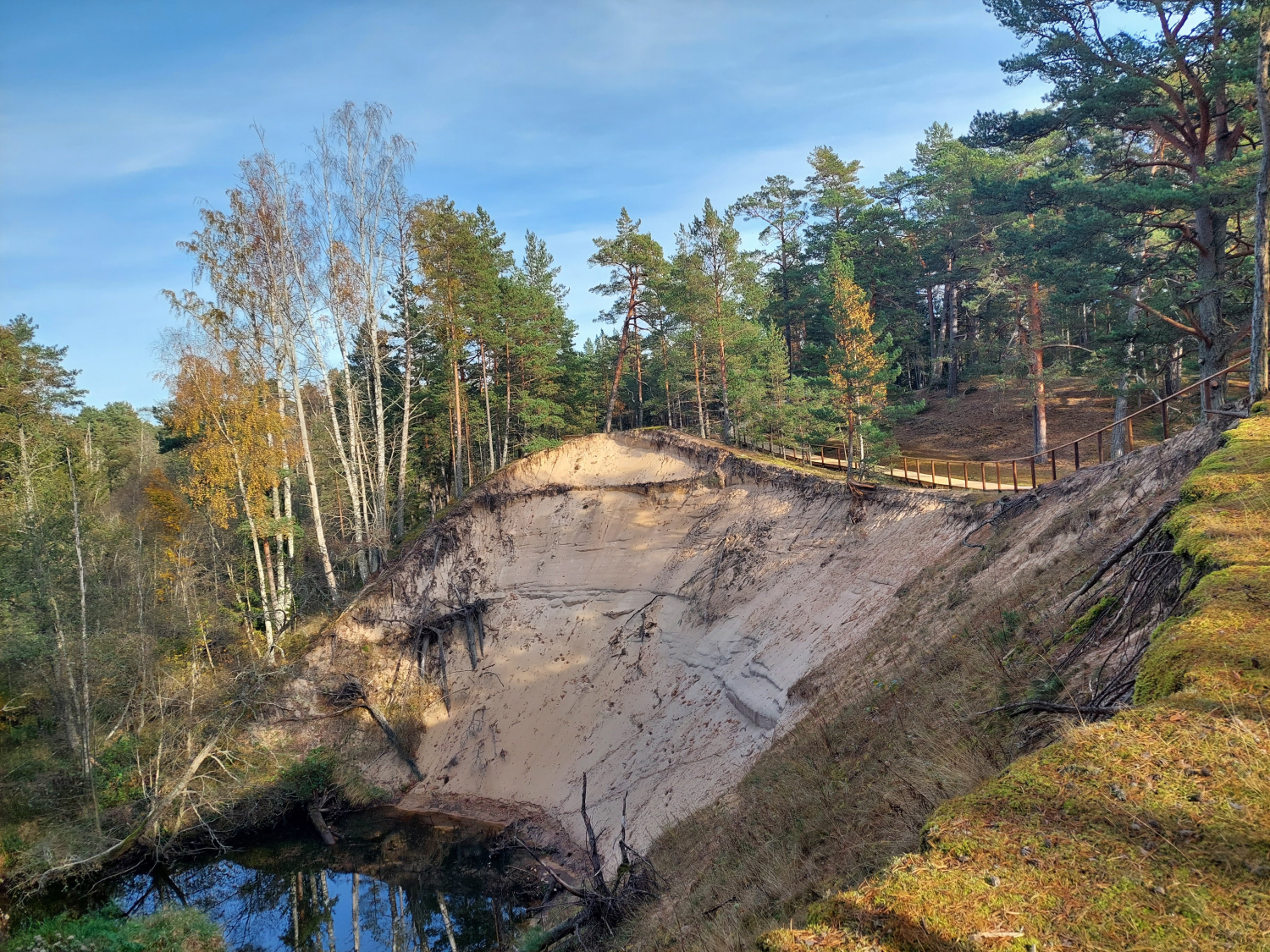
The high dune (approx. 20 m) was formed during the time of the Litorina Sea and preserves evidence of the material culture of people who lived in settlements here about 6,000 years ago.
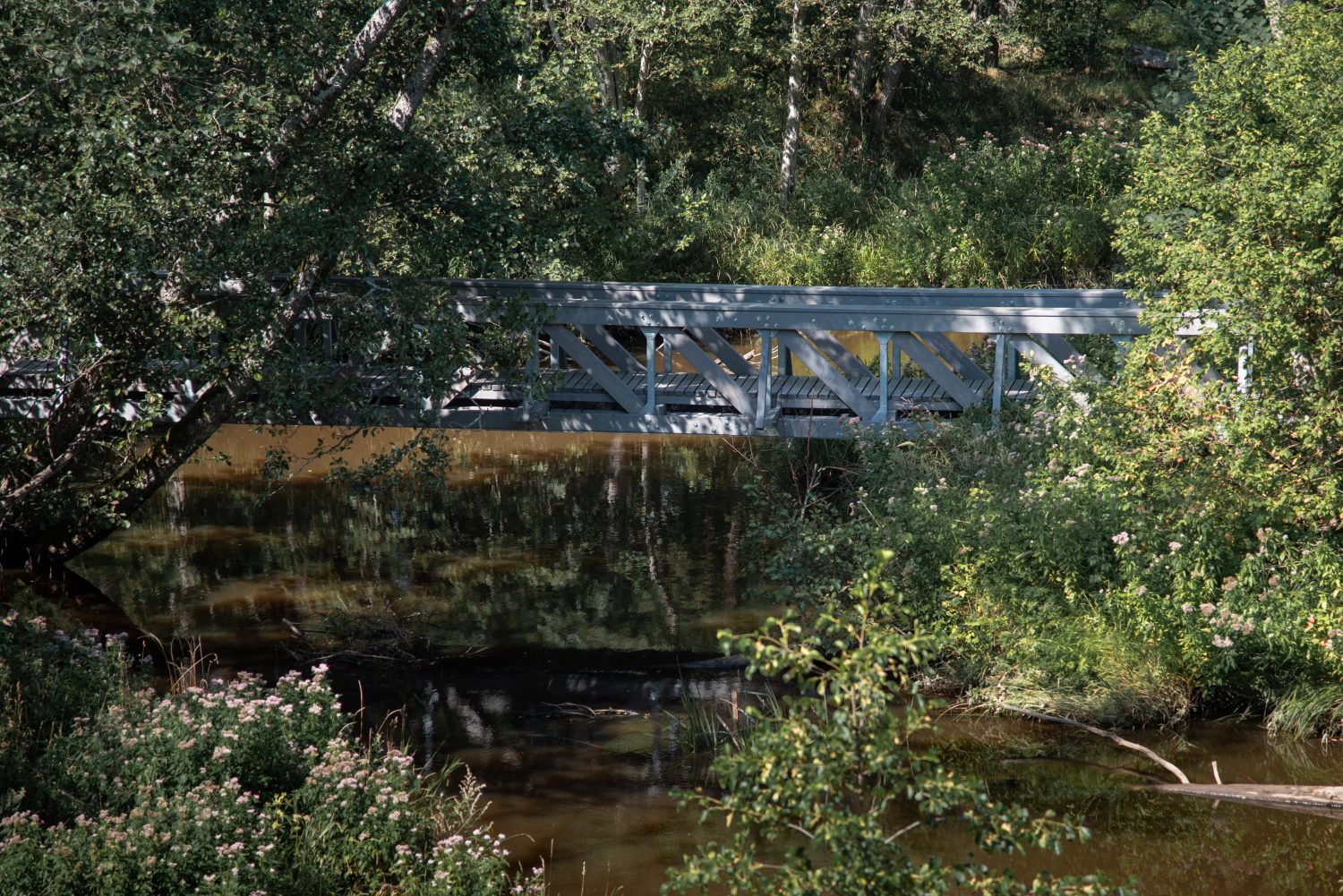
This is the site where the first Stone Age settlement on the north-western coast of Latvia was discovered. Archaeological research shows that Stone Age fishermen used the extensive dune ridge, located 300–600 m from the sea, as their place of residence. Their main source of livelihood was marine resources. A small stream, the Pilsupīte, flows along the foot of the dune.
The first archaeological excavations were carried out here in 1933 in connection with the discovery of Neolithic settlement sites in an exposed section of the Pilsupīte canal bank. In some of the settlements, substantial remains of dwelling structures were found, stone hearths built of fieldstones, as well as fragments of pottery, amber artefacts, and flint and stone tools. Clay human figurines – idol figures representing the material embodiment of ancestral spirits – were also discovered. These were worshipped and offerings were made to deities.
The ancient inhabitants of the settlement followed a hunter-gatherer subsistence strategy, engaging in freshwater and marine fishing. They belonged to the Comb and Pit Ware cultural groups. They had developed advanced flint-working skills and also produced jewellery by processing amber.
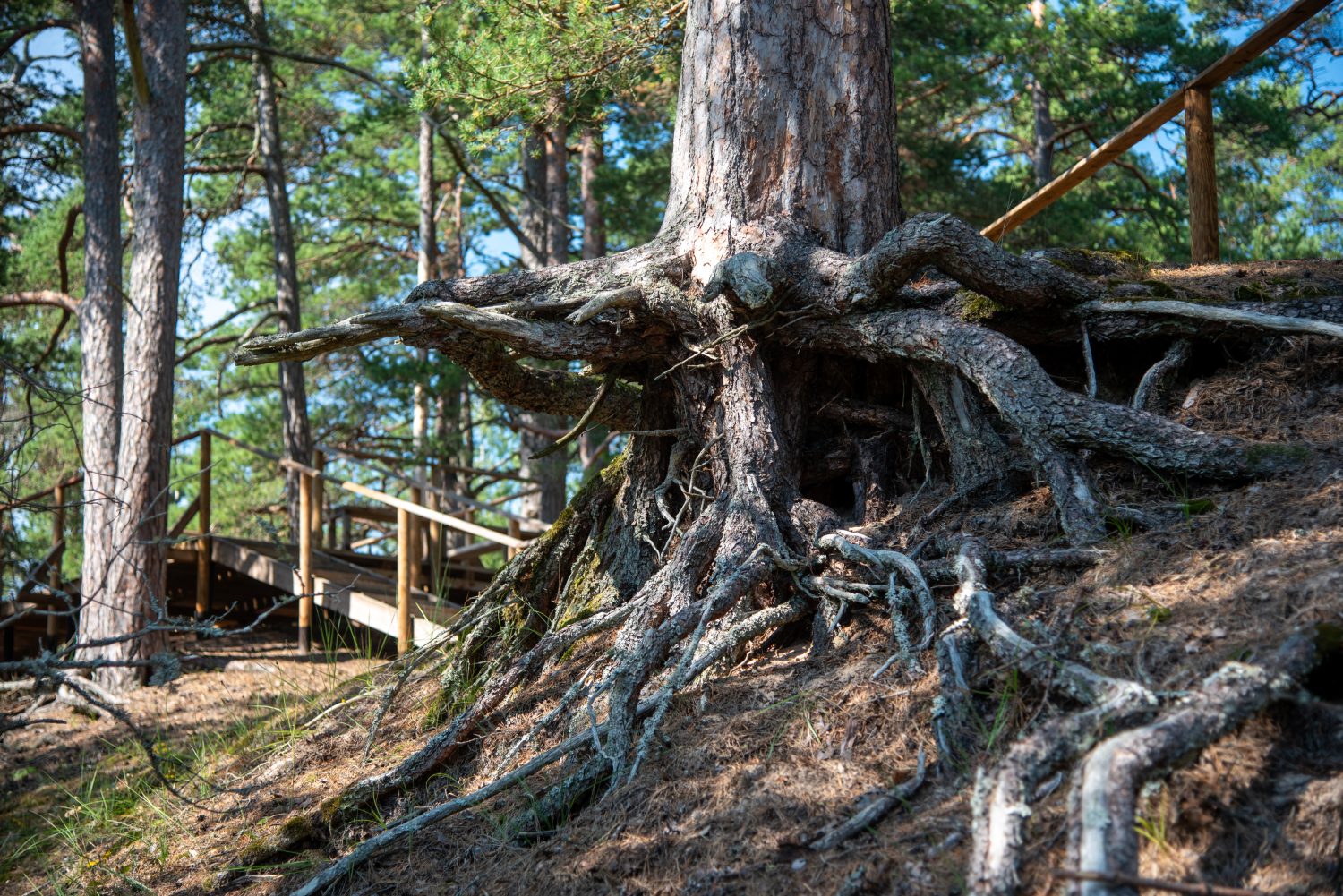
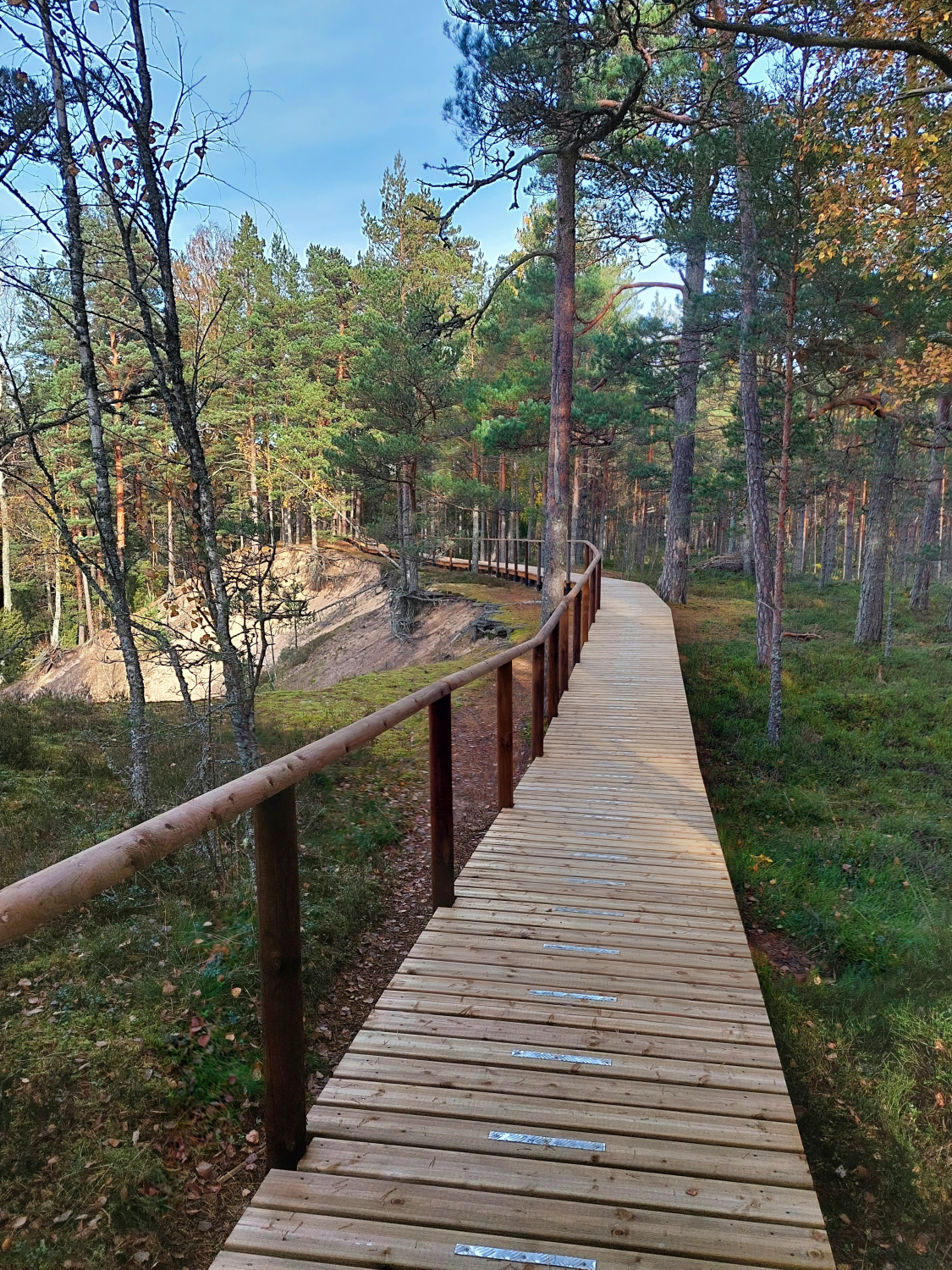
Walking along the trail, visitors can learn how the sand ridge was formed and how nature has changed under the influence of time and human activity. This site provides evidence of a Neolithic human settlement. The trail is 900 metres long and can be explored in up to one hour.
The White Dune will appeal to lovers of untouched and unaltered nature who enjoy walks in quiet, sunny coastal forests. The White Dune is relatively small, which makes it easy to capture in a single photograph.
The nature trail is owned by Latvian State Forests JSC and is managed as part of state forests.